
Israel and Armenia Heritage Tours: A Planning Guide



Israel and Armenia: two homes of one ancient Christian heritage
Armenia and Jerusalem have been tied together for some seventeen centuries. Armenia is widely described as the first nation to adopt Christianity as its state religion, and Armenian monks and pilgrims were settled in Jerusalem within a few generations of that decision. Today the Armenian Quarter is one of the four quarters of Jerusalem's Old City, and the Armenian Patriarchate shares the care of the holiest churches in the land.
That makes a journey to both places unusually coherent. In Jerusalem you see what Armenian faith built far from home. In Armenia you see where it came from.
This guide explains what there is to see in each country, how the two can be combined, what the logistics involve, and what AJET Israel offers today. We want to be plain about that last point from the start: AJET's Armenia offer is one ten day package, in October 2027, combined with Greece and prepared for Ethiopian Orthodox pilgrims. Everything else in this guide is planning information.
Can you combine Israel and Armenia in one journey?
Yes, by air. The two countries share no border and no practical land route, so a combined journey is two separate ground programs joined by a flight. Most travelers give Israel six to eight days and Armenia four to six.
The practical consequences:
- Two ground programs. Each country needs its own coach, its own licensed guide and its own hotels.
- One flight in the middle. Routes and schedules between Tel Aviv and Yerevan change from season to season. Check current schedules before you fix dates. Verify before travel.
- Two sets of entry rules. Israel and Armenia each decide who may enter and on what terms, and the answer depends on your passport.
- A third country is possible. Greece sits naturally between the two by air, which is how AJET's own Armenia package is built.
| Way to do it | What it involves | Who it suits |
|---|---|---|
| Armenian heritage inside a Holy Land pilgrimage | A half day or full day in Jerusalem's Armenian Quarter and the Armenian chapels of the great churches, within a normal Israel itinerary | Any group already coming to Israel |
| AJET's Armenia and Greece package | Ten days in Greece and Armenia, 4 to 13 October 2027 | Ethiopian Orthodox pilgrims honoring Saint Arsema |
| A custom Israel and Armenia journey | Two ground programs and a connecting flight, built to order | Groups with a specific interest in Armenian or Oriental Orthodox heritage, by request |
What is Armenia's place in Christian history?
Armenia adopted Christianity as its state religion in 301 AD, under King Tiridates III and through the work of Saint Gregory the Illuminator. It is widely described as the first nation to do so. The Armenian Apostolic Church has its seat at Etchmiadzin, near Yerevan.
A few facts give the outline:
- The church. The Armenian Apostolic Church belongs to the Oriental Orthodox family of churches, together with the Coptic, Ethiopian, Eritrean, Syriac and Indian Malankara churches.
- The alphabet. The Armenian alphabet was created at the start of the fifth century, around 405, by the monk Mesrop Mashtots. Scripture and liturgy in Armenian followed, and a tradition of manuscript making that lasted more than a thousand years.
- The cross stones. Carved stone slabs bearing a cross, called khachkars, stand in monasteries and cemeteries across the country and are recognized by UNESCO as part of Armenia's living heritage.
- The mountain. The Book of Genesis names the mountains of Ararat as the resting place of the ark. Mount Ararat rises just across the border in Turkey and can be seen from Yerevan on a clear day.
What are the main heritage sites in Armenia?
The essential sites are Etchmiadzin and its early churches, the monastery of Khor Virap facing Mount Ararat, the rock monastery of Geghard, and the manuscript library in Yerevan. All are within a day's reach of the capital, which makes Armenia easy to cover from a single hotel base.
| Site | Where | What it is | Why groups visit |
|---|---|---|---|
| Etchmiadzin Cathedral | Vagharshapat, a short drive west of Yerevan | The mother cathedral of the Armenian Church, founded in the early fourth century by tradition. UNESCO World Heritage, listed in 2000 with Zvartnots | The seat of the Catholicos and the centre of Armenian church life |
| Church of Saint Hripsime | Vagharshapat | A seventh century church, completed in 618, built over the tomb of the martyr Hripsime. Part of the same UNESCO listing | The resting place of the saint honored in the Ethiopian Church as Saint Arsema |
| Church of Saint Gayane | Vagharshapat | A seventh century church dedicated to the abbess martyred with Hripsime | Visited together with Saint Hripsime |
| Zvartnots | Between Yerevan and Vagharshapat | The ruins of a great round seventh century cathedral | Early Armenian architecture, with Ararat behind |
| Khor Virap | Ararat plain, south of Yerevan | A monastery over the pit where, by tradition, Gregory the Illuminator was held for years before the king's conversion | The story of Armenia's conversion, and the closest view of Mount Ararat |
| Geghard | Upper Azat Valley, east of Yerevan | A medieval monastery partly cut into the cliff. UNESCO World Heritage, listed in 2000 | Chapels carved from living rock, known for their acoustics |
| Garni | Near Geghard | A classical temple from the first century, rebuilt in the twentieth century | Armenia before Christianity, usually paired with Geghard |
| Matenadaran | Yerevan | A library and museum of ancient manuscripts | Illuminated Gospels and the history of the Armenian alphabet |
| Lake Sevan and Sevanavank | North east of Yerevan | A high mountain lake with a ninth century monastery on its shore | A day in the highlands |
| Tsitsernakaberd | Yerevan | The memorial and museum to the victims of the Armenian Genocide | An essential visit for understanding modern Armenia and its diaspora |
Further afield, the monasteries of Noravank and Tatev in the south and Haghpat and Sanahin in the north reward groups with extra days.
Who is Saint Hripsime, known in Ethiopia as Saint Arsema?
Hripsime was a Christian woman martyred in Armenia at the beginning of the fourth century, in the years just before the kingdom adopted Christianity. Her tomb lies beneath the church that bears her name in Vagharshapat. In the Ethiopian Orthodox Tewahedo Church she is venerated as Saint Arsema.
According to the tradition handed down in the Armenian Church, Hripsime belonged to a community of Christian women who fled persecution in the Roman Empire and reached Armenia, where she, the abbess Gayane and their companions were put to death. The conversion of King Tiridates followed soon after, and churches were raised over the martyrs' graves.
Devotion to Saint Arsema is strong among Ethiopian and Eritrean Orthodox Christians, at home and in the diaspora, which is why a pilgrimage to her resting place has particular meaning for those communities. This guide describes the history and the places. For the meaning of the feast and its observance, pilgrims should look to their own clergy.
What is the Armenian heritage of Jerusalem?
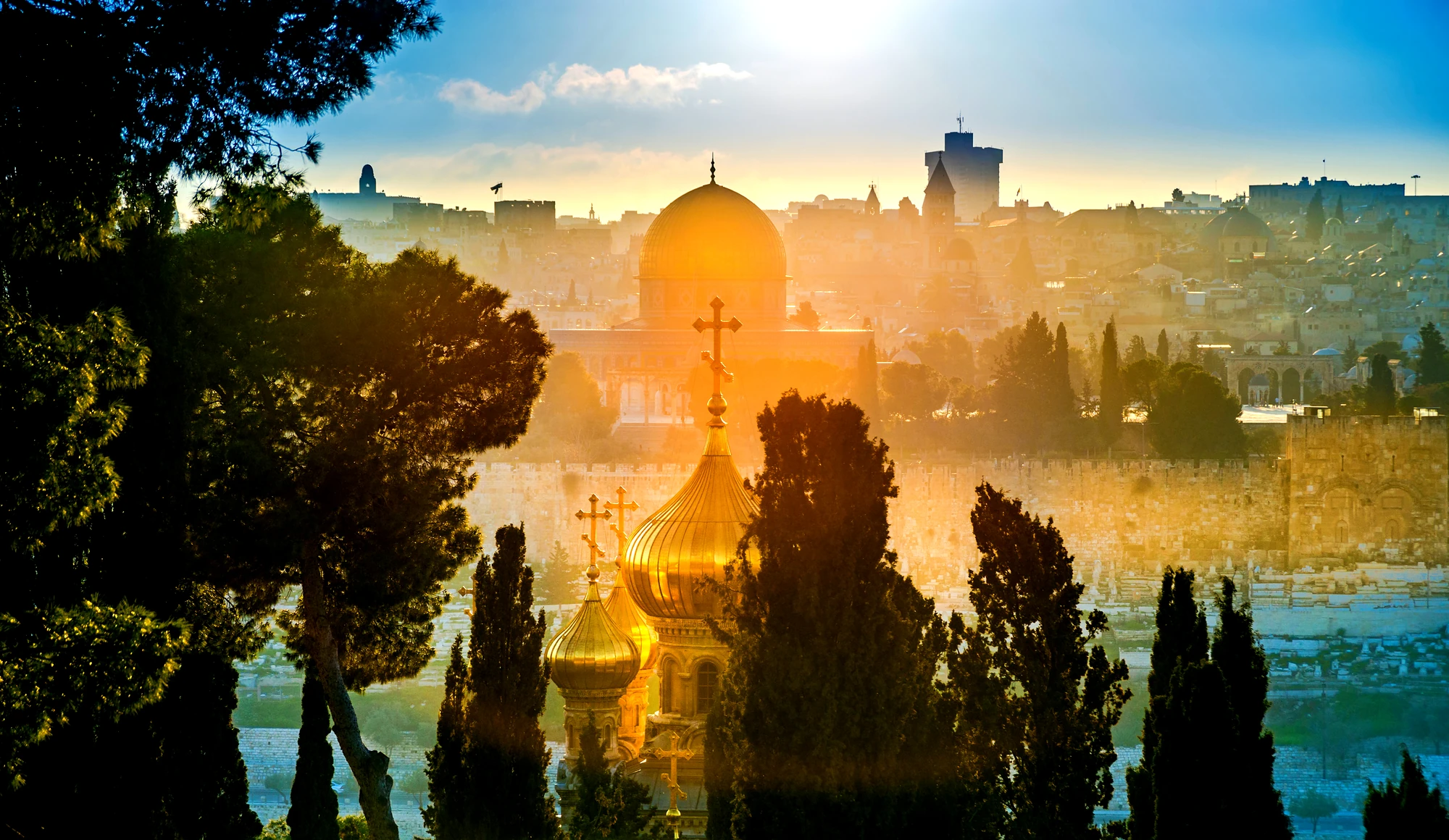
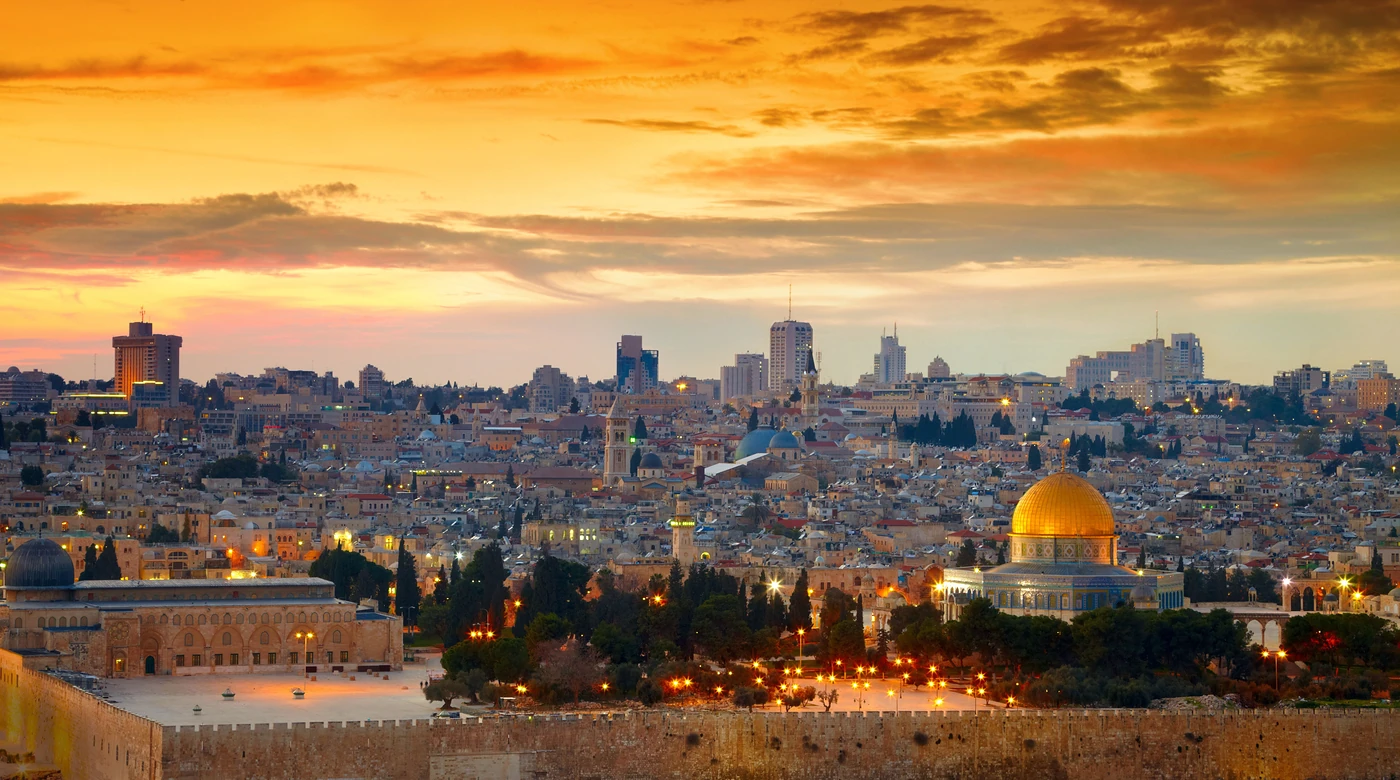
Armenians have lived in Jerusalem since the early centuries of Christianity. The Armenian Quarter fills the south west corner of the Old City, the Armenian Patriarchate of Jerusalem is one of the three main guardians of the Church of the Holy Sepulchre, and Armenian art and craft are part of the city's fabric.
What to see:
| Place | What it is | Notes for visitors |
|---|---|---|
| The Armenian Quarter | One of the four quarters of the Old City, between Jaffa Gate and Zion Gate | Much of it lies inside the walled compound of the Armenian monastery, which is a living community, not a museum |
| Cathedral of Saint James | The seat of the Armenian Patriarchate of Jerusalem. Two fifth century chapels, dating from 420 AD, stand within its twelfth century Crusader era church, which houses the relics of Saint James the Great and Saint James the Just, Kütahya ceramic tiles and khachkar cross stones | Open to visitors only for limited periods around services. Check before you go. Verify before travel |
| The Armenian museum | The museum of the Patriarchate, on Armenian history and art in the Holy Land | Opening arrangements have changed in recent years. Verify before travel |
| Church of the Holy Sepulchre | The Armenian Church shares custody with the Greek Orthodox and Latin churches | The Chapel of Saint Helena on the lower level is in Armenian care |
| Basilica of the Nativity, Bethlehem | Shared by the Greek Orthodox, Armenian and Latin churches | The Armenian altars stand in the north transept |
| Tomb of the Virgin Mary | A church in the Kidron Valley at the foot of the Mount of Olives | Shared by the Greek Orthodox and Armenian churches |
| Armenian ceramics | Hand painted tiles and pottery made by Armenian families in Jerusalem | The craft has been practiced in the city since 1919, when Armenian artists were brought to restore historic tilework |
| Armenian mosaics | Early floor mosaics with Armenian inscriptions, found near the Damascus Gate and on the Mount of Olives | Evidence of Armenian pilgrims and monks in the city in the Byzantine period |
For Ethiopian and Eritrean pilgrims there is a second thread. The Ethiopian monastery of Deir es Sultan stands on the roof of the Church of the Holy Sepulchre, a short walk from the Armenian chapels below. The Armenian and Ethiopian churches belong to the same Oriental Orthodox family and share a deep, ancient monastic and liturgical heritage in Jerusalem, with neighboring presences at the Church of the Holy Sepulchre and their own Holy Week and Fasika traditions. Jerusalem is the one city where a visitor can meet both communities in a single morning. AJET journeys include time at Deir es Sultan.
How do Israel and Armenia compare for travelers?
Both are small countries that can be covered by coach from one or two hotel bases, and both reward a slow pace. They differ in language, currency, calendar and entry rules, so a combined journey needs two briefings.
| Topic | Israel | Armenia |
|---|---|---|
| Main base for visitors | Jerusalem and Galilee | Yerevan |
| Arrival airport | Ben Gurion, near Tel Aviv | Zvartnots, near Yerevan |
| Main languages | Hebrew and Arabic, with English widely spoken | Armenian, with Russian and some English |
| Currency | Israeli shekel | Armenian dram |
| Entry | Online ETA IL authorization for visa exempt nationalities, visa for others | Depends on nationality: many enter without a visa, others apply online or at an embassy. Verify before travel |
| Armenian Christmas | Kept on 18 and 19 January in Bethlehem and Jerusalem, where the Patriarchate follows the old calendar | Kept on 6 January, together with the feast of the Baptism |
| Getting around | Private coach with a licensed guide | Private coach with a local guide, most sites within two hours of Yerevan |
| Good seasons | Spring and autumn | Late spring and early autumn |
On entering Israel, see our articles Israel's ETA IL explained and Do you need a visa for Israel. For Armenia, the Ministry of Foreign Affairs of Armenia publishes the current list of nationalities and the online visa process. We give no fee or duration here because we could not confirm current figures. Verify before travel.
Travelers who need visas for more than one country should begin early. AJET asks groups that need visas to start at least six months ahead.
What does AJET offer in Armenia today?
One package: St. Arsema in Armenia and St. Paul in Greece, ten days from 4 to 13 October 2027, in Greece and Armenia. It is prepared for Ethiopian Orthodox pilgrims, its page is in Amharic, and it is the only Armenia journey AJET lists.
The details below are from the tour page in November 2026. Check the page for current details before you book.
| Item | Details |
|---|---|
| Dates | 4 to 13 October 2027, including travel days. Arrival in Greece on 5 October |
| Countries | Greece and Armenia |
| Base cities | Athens, Yerevan and Thessaloniki |
| Organized by | The St. John the Baptist and St. Arsema Ethiopian Orthodox Tewahedo Monastery in California |
| Led by | His Excellency Dr. Abune Teofilos |
| Price from the USA | $3,780 per person in a double room, with flights from Washington DC and Los Angeles included |
| Price from Europe and Israel | $2,880 per person in a double room, without flights |
| Registration deposit | $500 per person |
| Included | Hotels in double rooms, breakfast and dinner, coach travel to the holy sites, entrance fees, an experienced guide, and the annual feast of St. Arsema celebrated at the holy site |
| Not included | Tips, lunches, travel insurance, and visa fees for those who need an entry visa |
Children's discounts and the conditions for airport transfers are set out on the tour page. Prices are per person and are confirmed at booking.
The Greek half of the journey follows the Apostle Paul. Our site guides cover Mars Hill in Athens, Ancient Corinth, Thessaloniki and Philippi, and the Greece page lists our other Greek journeys.
AJET does not list a journey that combines Israel and Armenia. The tour page notes that the program can be extended and tailor made for groups, so a group that wants both countries should ask, and we will say honestly what we can arrange. Requests go through Plan Your Journey or the custom journeys page.
What could a combined journey look like?
A combined journey works best when one country leads and the other completes it. The two outlines below are planning sketches to help a group think about pacing. They are not AJET itineraries, and no price is attached to them.
Sketch one: Jerusalem first, then Armenia, about twelve days
- Days one to three: Jerusalem. The Old City, the Church of the Holy Sepulchre and its Armenian chapels, the Armenian Quarter, the Mount of Olives.
- Day four: Bethlehem and the Basilica of the Nativity.
- Days five and six: Galilee and the Jordan.
- Day seven: flight to Yerevan.
- Day eight: Etchmiadzin, Saint Hripsime, Saint Gayane and Zvartnots.
- Day nine: Khor Virap and the Ararat plain.
- Day ten: Garni and Geghard.
- Day eleven: Yerevan, the Matenadaran and Tsitsernakaberd.
- Day twelve: departure.
Sketch two: Armenian heritage within a Holy Land pilgrimage, no second country
For a group already booked on a Holy Land journey, the Armenian thread can be drawn out without adding a flight:
- A guided walk through the Armenian Quarter, timed where possible for the afternoon service at the Cathedral of Saint James
- The Armenian chapels inside the Church of the Holy Sepulchre, and Deir es Sultan on its roof
- The Armenian altars in the Basilica of the Nativity in Bethlehem
- The Tomb of the Virgin Mary at the foot of the Mount of Olives
- A visit to an Armenian ceramics workshop
Holy Land journeys that leave room for a day like this include The Ten Days of the Holy Land Pilgrimage and, for Ethiopian and Eritrean Orthodox communities, the 13 day Holy Week and Fasika journey in Jerusalem. Groups who want to follow the faith on from Jerusalem by a different road can look at the 14 day journey from Jerusalem to Athens.
What should a group leader settle before proposing Armenia?
Settle the purpose, the passports and the season before anything else. Armenia is straightforward on the ground, but a group with mixed nationalities needs its entry rules checked one passport at a time.
- Purpose. A feast day pilgrimage to Saint Hripsime, a study of early Christian architecture, or a wider journey through the Oriental Orthodox world each lead to a different plan.
- Passports. List every nationality in the group. Check Armenia, Israel and any country in between. Greece applies Schengen rules.
- Season. Mountain roads and high monasteries are easiest from late spring to early autumn. Feast dates decide the rest.
- Pace. Armenian monasteries involve uneven stone, steps and some steep paths. Tell your operator about travelers who need a gentler day.
- Clergy. If your priest or bishop will celebrate a service, raise it at the start. Access to churches for worship depends on the host church in both countries, and cannot be guaranteed by any tour operator.
- Insurance. Under AJET's booking terms, travel insurance covering every country on the itinerary is a condition of travel.
Leaders of Ethiopian and Eritrean Orthodox groups will find more on our pages for Ethiopian and Eritrean Orthodox pilgrimages, Orthodox parishes and clergy and diaspora journeys. Amharic speakers can start at the Amharic page.
Frequently asked questions
Does AJET Israel run tours to Armenia?
AJET lists one Armenia package: St. Arsema in Armenia and St. Paul in Greece, ten days from 4 to 13 October 2027. It is the only Armenia journey in the program today.
Is there a tour that combines Israel and Armenia?
Not as a listed AJET journey. The current Armenia package pairs Armenia with Greece. A group that wants Israel and Armenia together can ask for a custom proposal.
Is there a land route between Israel and Armenia?
No practical one. Travelers fly. Check current flight schedules between Tel Aviv and Yerevan before fixing dates. Verify before travel.
Do I need a visa for Armenia?
It depends on your passport. Many nationalities enter without a visa, and others apply online or at an embassy. Check with the Ministry of Foreign Affairs of Armenia for your nationality. Verify before travel.
Where is Saint Arsema buried?
The tomb of Saint Hripsime, honored in the Ethiopian Church as Saint Arsema, is beneath the Church of Saint Hripsime in Vagharshapat, the town of Etchmiadzin, a short drive from Yerevan.
Can visitors enter the Armenian Quarter in Jerusalem?
The streets of the quarter are open. The monastery compound is a residential community, and the Cathedral of Saint James admits visitors only for limited periods around services. Check the current times before you go.
When is Armenian Christmas?
In Armenia it is kept on 6 January. In Jerusalem and Bethlehem the Armenian Patriarchate keeps it on 18 and 19 January.
How many days do you need in Armenia?
Four to six days covers Etchmiadzin, Khor Virap, Garni, Geghard and Yerevan from a single hotel base. Add two or three days for the monasteries of the north or south.
What is the best time of year to visit Armenia?
Late spring and early autumn are the most comfortable for touring. AJET's package runs in early October.
Is the Armenia package only for Ethiopian Orthodox pilgrims?
It was prepared for that community, with a monastery as organizer and a bishop as leader, and its page is in Amharic. Other groups interested in Armenia should contact us to ask what can be arranged.
Ask us about Armenia and the Holy Land
AJET Israel has been based in Jerusalem since 2007 and is licensed by the Israel Ministry of Tourism. For the 2027 package, see St. Arsema in Armenia and St. Paul in Greece. For anything else, tell us what you have in mind, or message our Jerusalem office on +972 54 921 2030.
Package details were taken from the AJET Israel website in November 2026. Entry rules, flight schedules and visiting hours change. Verify each one with the official source before you travel.
Planning Help
Talk to a Specialist
Planning a journey and need a hand? Tell us what you have in mind and a specialist will reply personally.