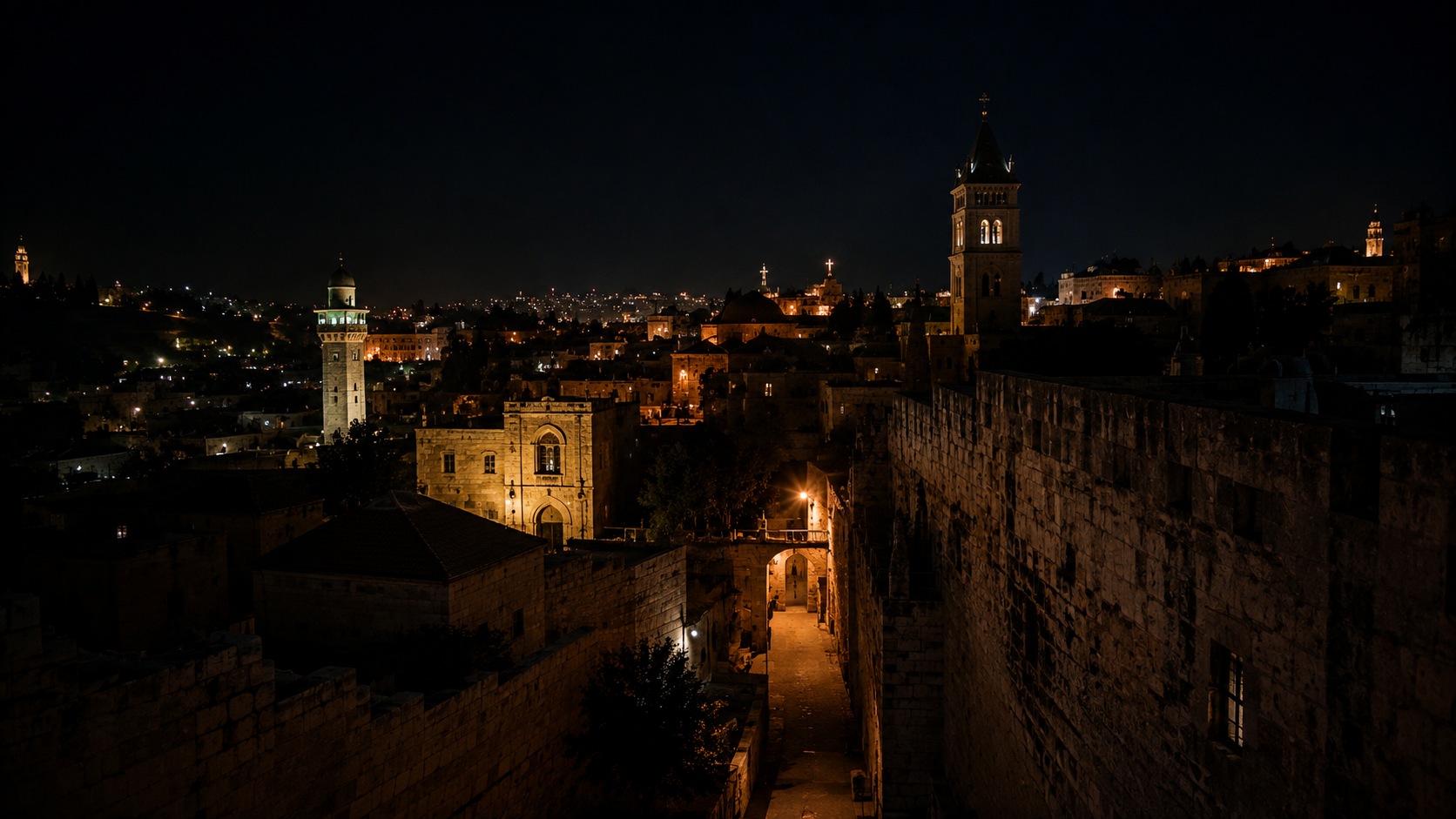
Your First Holy Land Pilgrimage: What to Expect, Step by Step



Your First Holy Land Pilgrimage: What to Expect, Step by Step
If this is your first pilgrimage, you are probably feeling two things at once. A deep excitement, and a quiet nervousness about the unknown. That is completely normal, and it is why we wrote this. Here is honestly what the journey looks like, from the moment you land to the moment the land changes the way you read your Bible.
Before you go, the trip begins at home
A pilgrimage starts before the plane does. In the weeks before you travel, we help you get ready, from your entry authorization to what to pack. You will receive clear guidance, so you arrive prepared rather than anxious. Many pilgrims say this preparation became part of the spiritual journey itself, a kind of getting ready of the heart.
Arriving at Ben Gurion Airport
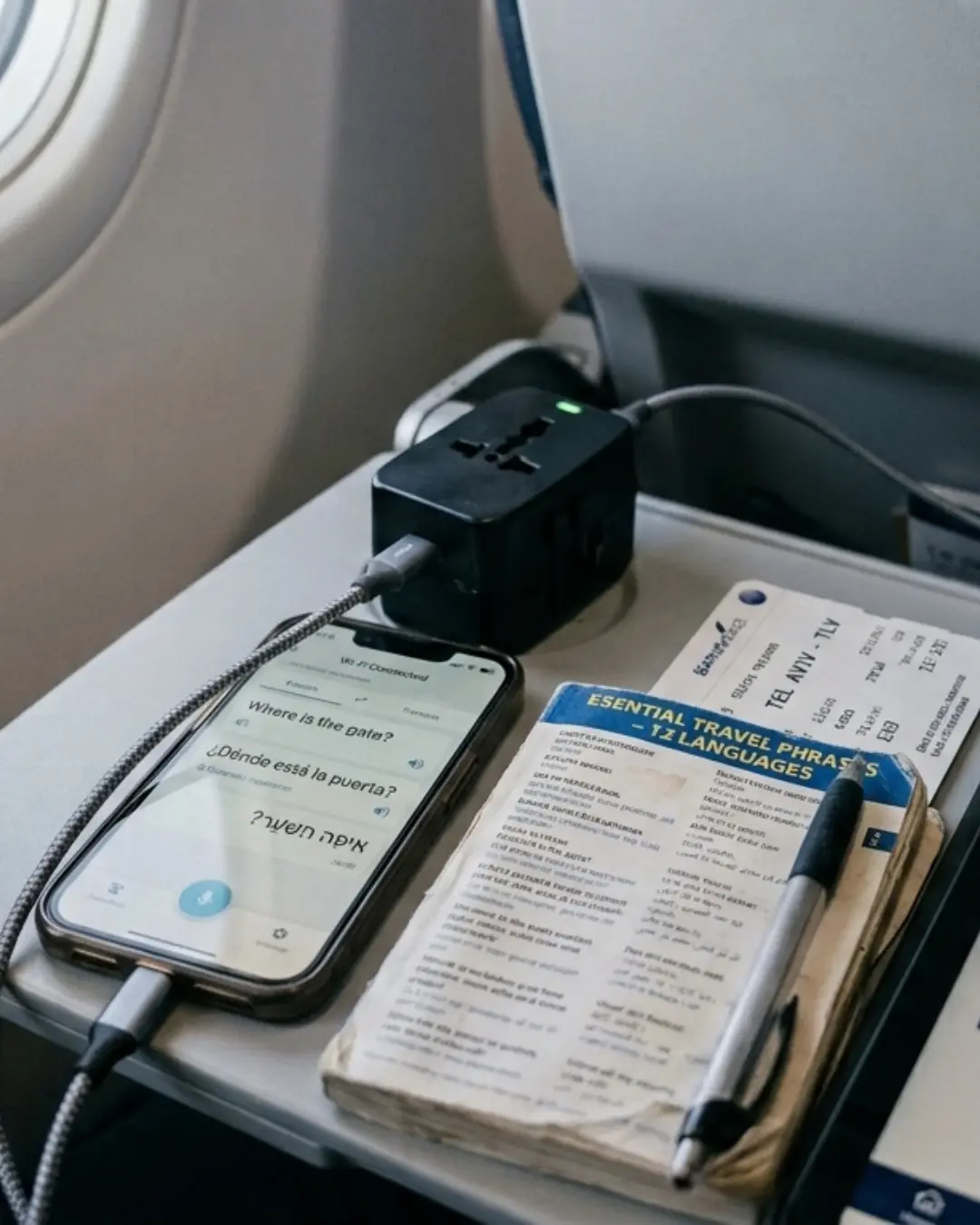
Your first experience of Israel is the airport, and it is worth knowing what to expect so nothing surprises you. Security screening here is more thorough than you may be used to. You may be asked friendly but detailed questions about your trip and where you are staying. This is completely routine and part of what keeps the country safe. Answer calmly, keep your documents handy, and it goes smoothly.
One small thing that surprises many first-timers. Your passport is no longer stamped on entry. Instead you receive a small paper entry card. Keep it safe inside your passport, because you will need it again when you leave.
And then, the best part. Your AJET representative is waiting to welcome you the moment you clear customs. From that point on, you are cared for.
A typical day on pilgrimage
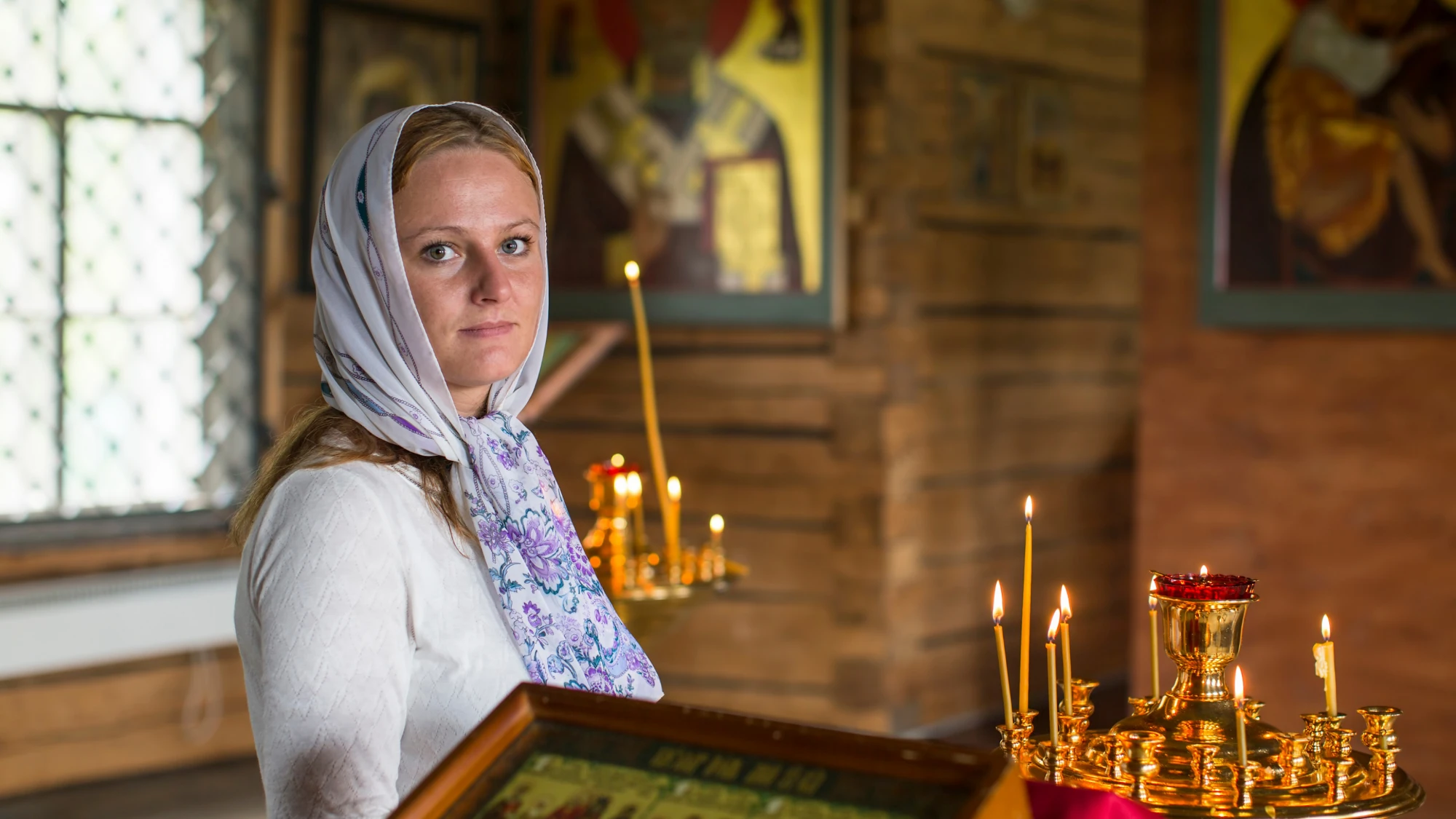
Days follow a gentle rhythm rather than a rushed checklist. A typical day begins with breakfast at your hotel, then a morning of visiting holy sites with your licensed guide, who opens up the history and the scripture at each place. There is time to pray, to reflect, and often to take part in a moment of worship where it matters most.
Afternoons may continue to nearby sites or leave room to rest. Evenings bring dinner together, and often the quiet joy of a group that started as strangers and is becoming something like family. The pace is designed to let the land speak, not to exhaust you.
At the holy sites themselves
Standing at the places you have read about your whole life is the heart of it, and it affects people deeply. Some weep at the Jordan River. Some fall silent in the Garden of Gethsemane. Some feel the Gospels rearrange themselves into a real geography they can now picture forever.
"You will seek me and find me when you seek me with all your heart." (Jeremiah 29:13)
A few practical notes. Modest dress is required at holy sites, which means shoulders and knees covered for everyone. Sites can be busy, so your guide times visits to find the quieter moments. And there is a fair amount of walking on old stone, so comfortable shoes matter more than anything else you bring.
What you will carry home
Pilgrims tell us the same thing again and again. They came to see a place, and they left changed. The Bible reads differently afterward, because now you have stood where it happened. You return with a faith that has ground beneath it, and often with new friends from across the world who walked the road beside you.
That transformation is the real reason to go. The sites are extraordinary, but the change they work in you is what lasts.
Ready to take the first step?
The best way to calm any remaining nerves is a conversation. Tell us what you are hoping for and what you are unsure about, and we will guide you honestly, with no pressure. We have walked first-time pilgrims through this for 19 years, and there is no question too small.

Planning Help
Talk to a Specialist
Planning a journey and need a hand? Tell us what you have in mind and a specialist will reply personally.